








The U.S. Coast Guard is facing heavy criticism after a report said it allowed a new workplace harassment policy to take effect that describes swastikas as “potentially divisive” instead of clearly labeling them as hate symbols.
The Washington Post first reported the policy change. The wording quickly sparked outrage from Jewish groups and Democratic lawmakers.
Homeland Security Pushes Back
Assistant Secretary of Homeland Security Tricia McLaughlin strongly denied that the Coast Guard weakened its rules.

In a statement to Newsweek, she called the report a “pathetic attempt” to smear Coast Guard members and said the claims were false.
She said there was no downgrade in policy. According to McLaughlin, the 2025 update actually strengthens how the Coast Guard reports, investigates, and punishes harassment and hate-related violations.
Why This Matters
The controversy comes at a time of rising antisemitism worldwide.
Over the weekend, a mass shooting occurred at a Hanukkah celebration at Bondi Beach in Australia. In the United States, the FBI reported 2,137 anti-Jewish hate crimes in 2024. That number was up from 2,002 in 2023.
Because of this climate, critics say any softening of language around hate symbols sends the wrong message.
What the Policy Says
The Washington Post reported that the new harassment policy officially went into effect this month.
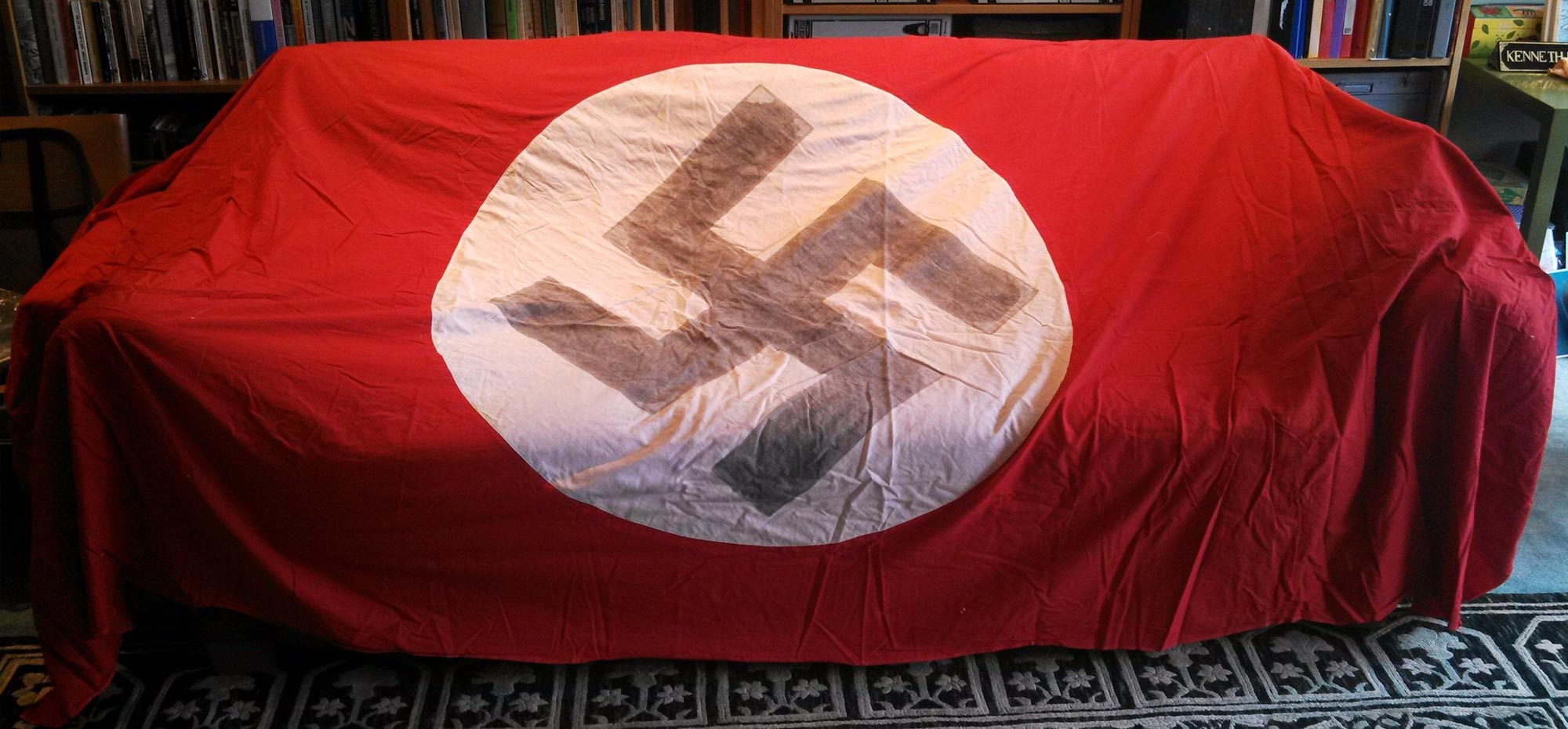
The policy states that “potentially divisive symbols and flags” include a noose, a swastika, and symbols linked to hate-based groups tied to racial or religious intolerance.
After the report drew attention, Admiral Kevin Lunday issued a memo clearly banning swastikas and nooses. McLaughlin pointed to that memo as proof that the Coast Guard still treats these symbols as violations of policy and military law.
She said the November 20 order was meant to clarify existing rules and fight what she described as misinformation.
Jewish Groups and Lawmakers Respond
Amy Spitalnick, CEO of the Jewish Council for Public Affairs, sharply criticized the policy language.
She said swastikas and nooses are not “potentially divisive” but are symbols of racism, antisemitism, violence, and genocide. She warned that changing the language risks normalizing extremism.
Senate Minority Leader Chuck Schumer also condemned the policy on the Senate floor. He called it shameful and dangerous and accused the Trump administration of normalizing Nazism and white supremacy.
Senator Ruben Gallego of Arizona said reclassifying swastikas was indefensible and called it a stain on the country.
The American Jewish Committee echoed those concerns, saying symbols tied to the Holocaust and lynching have no place in the military.
Political Fallout Grows
The issue has now affected Coast Guard leadership.
Democratic Senators Tammy Duckworth of Illinois and Jacky Rosen of Nevada placed a hold on Admiral Lunday’s nomination to become commandant of the Coast Guard.
Senator Richard Blumenthal of Connecticut said he was outraged and called on Homeland Security to reverse the policy immediately.
Senator Rosen said the Coast Guard appeared to back away from earlier commitments and failed to give clear answers when asked for clarification.
What Happens Next
According to official guidance, the updated policy went into effect on December 15.
The backlash is continuing, and pressure is mounting on the Coast Guard and the Department of Homeland Security to clarify or change the policy language.