



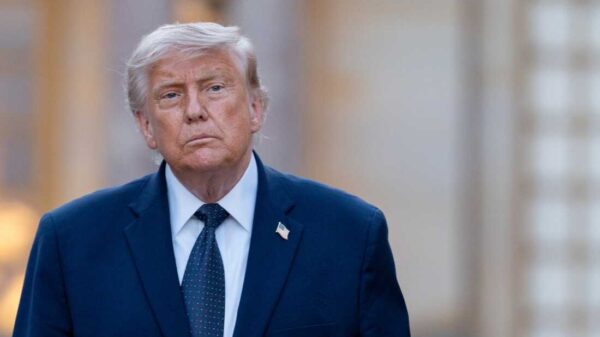





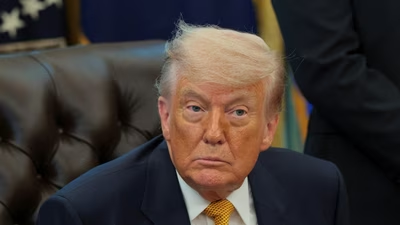
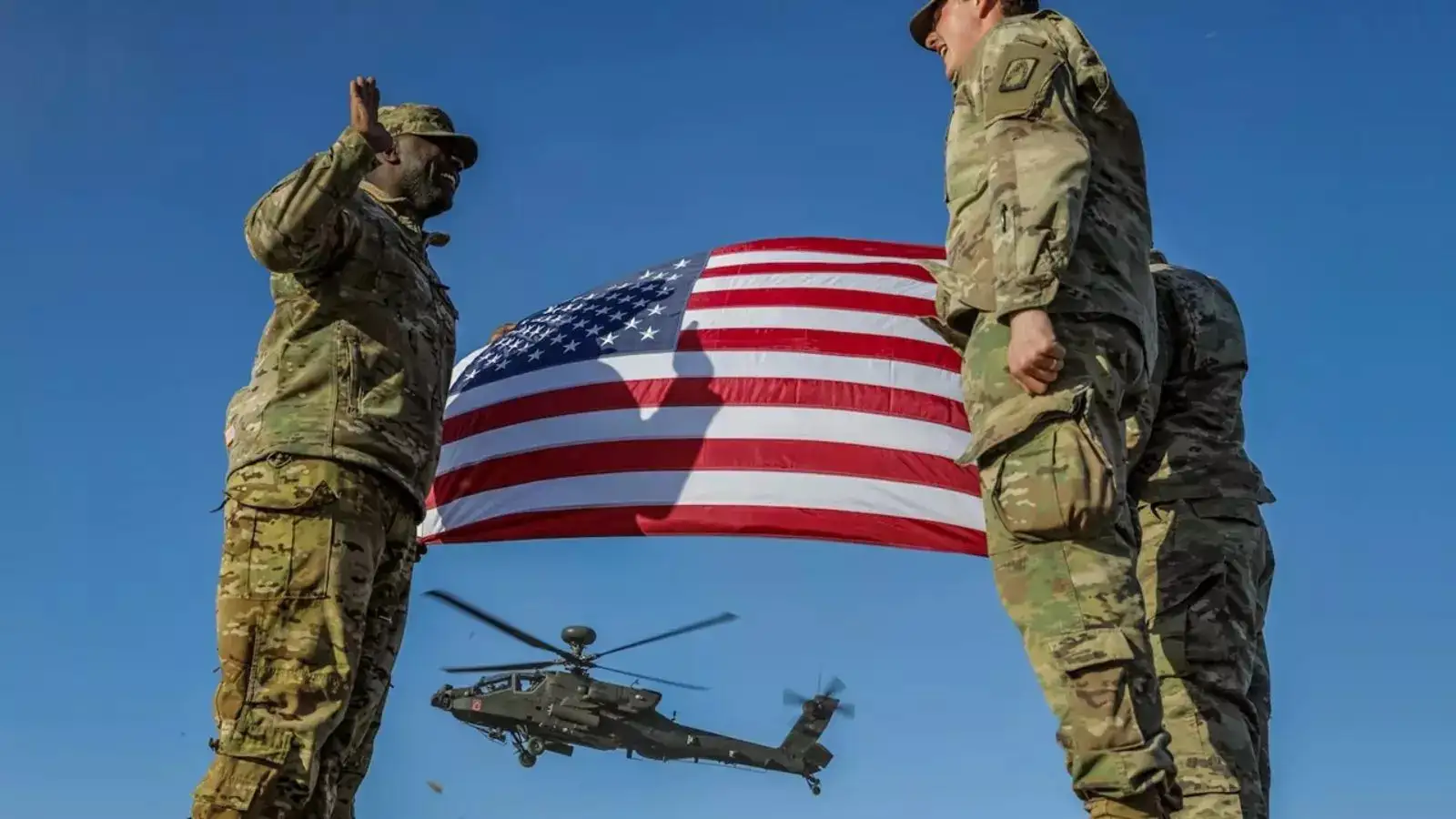

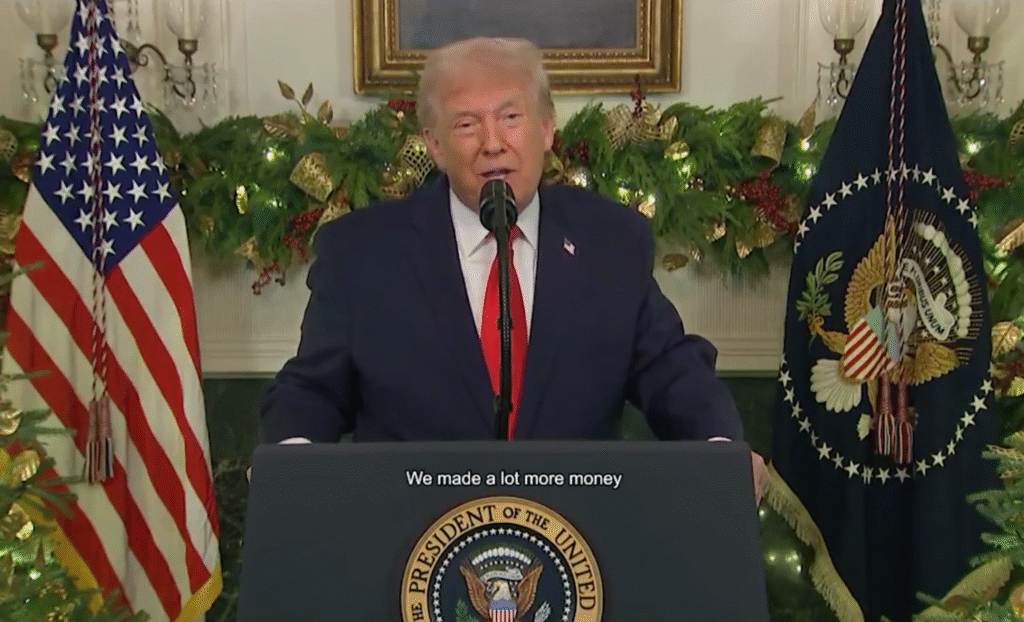
President Donald Trump is once again presenting himself as the great benefactor of the U.S. military. On Dec. 18, he announced $1,776 “warrior dividend” checks for service members during a national address, framing them as a reward for sacrifice and service.
The message was clear. Trump is giving money to the troops. The reality is more complicated.
The checks are not funded by new spending or fresh support approved just for service members. Instead, the money comes from existing military funds that were already appropriated by Congress earlier this year.
Not New Money, Just Moved Money
According to senior administration and Pentagon officials, the funding for the “warrior dividends” comes from money already set aside for military needs. Roughly $2.6 billion will be used to send out one-time checks, while a smaller portion will remain for future requirements.
In other words, Trump did not create a new benefit. He redirected money that was already meant for the military and repackaged it as a personal gift.
That distinction matters. Taking money from one military account and handing it back with a new label does not increase overall support for service members. It simply changes how the money is presented and who gets credit.
The Performance of Generosity
WARRIOR DIVIDENDS ⚔️🇺🇸
— The White House (@WhiteHouse) December 18, 2025
"1,450,000 military service members will receive a special we call Warrior Dividend before Christmas… in honor of our nation's founding in 1776, we are sending every soldier $1,776." – President Donald J. Trump pic.twitter.com/2SenJQT0xI
In his Dec. 18 address, Trump celebrated the payouts.
“The checks are already on the way,” he said. “Nobody deserves it more than our military.”
The language was ceremonial, almost mythic. The framing suggested a leader personally rewarding loyal warriors, rather than an administration reallocating existing funds approved by Congress.
This is where critics say the move crosses from policy into performance. The checks are real, but the generosity is staged. Trump positions himself as the source of the money, even though it originated within the military budget itself.
Who Gets the Checks
As of Dec. 22, the Defense Department says the payments are being processed and are expected to reach service members by the weekend.
The payments will go to about 1.454 million service members. Eligible recipients include active-duty personnel in pay grades O-6 and below, covering enlisted members, warrant officers, and most commissioned officers. General officers are excluded.
Reservists can receive the check if they are O-6 or below and were on active-duty orders of 31 days or more as of Nov. 30.
Each eligible service member will receive $1,776 as a one-time payment.
Lawmakers Push Back
The funding shift has drawn criticism on Capitol Hill.
Sen. Tammy Duckworth, a former Army Black Hawk pilot and a member of the Senate Armed Services Committee, accused the administration of taking money meant for military needs and presenting it as a bonus.
She described the checks as political theater rather than meaningful support, arguing that troops are being applauded with their own money.
Supporters of the president see it differently. Republican allies, including Sens. Markwayne Mullin and Jim Banks, praised the payments as good news for military families.
A One-Time Gift, Not Lasting Support
No one disputes that service members can use extra cash. A check is a check. But one-time payments do not solve long-term challenges facing military families, from housing costs to childcare to spousal employment.
By redirecting existing military funds, the administration creates a short-term win and a powerful talking point, without increasing total investment in the force.
That is why critics argue this is less about helping troops and more about optics.
Credit Without Cost
Trump’s approach allows him to claim credit without asking Congress for more money and without expanding the military budget. He takes from one part of the system and gives it back with his name attached.
Presented this way, the “warrior dividends” look less like a benefit and more like a coronation gesture. The leader takes what already belongs to the institution and returns it as if it were a personal favor.
For service members, the check will clear. For the president, the headlines will land. But the money never came from him. It came from the military itself.