


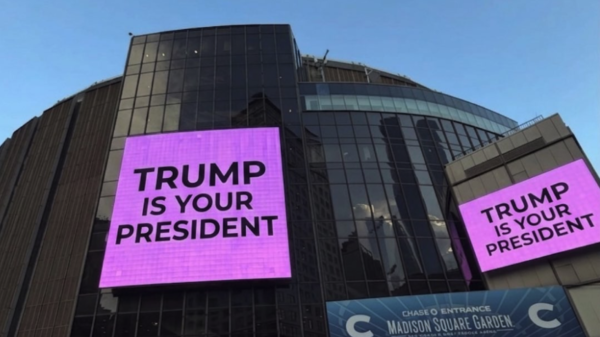


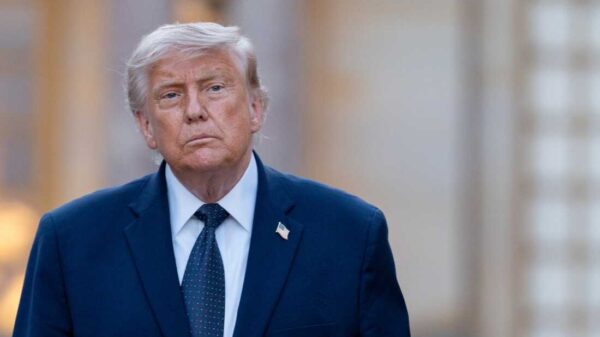




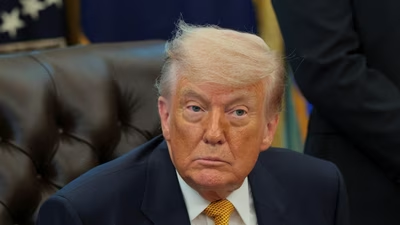

President Donald Trump’s administration is facing renewed questions about when Americans might receive the $2,000 checks the president has repeatedly promised as part of his tariff policy.
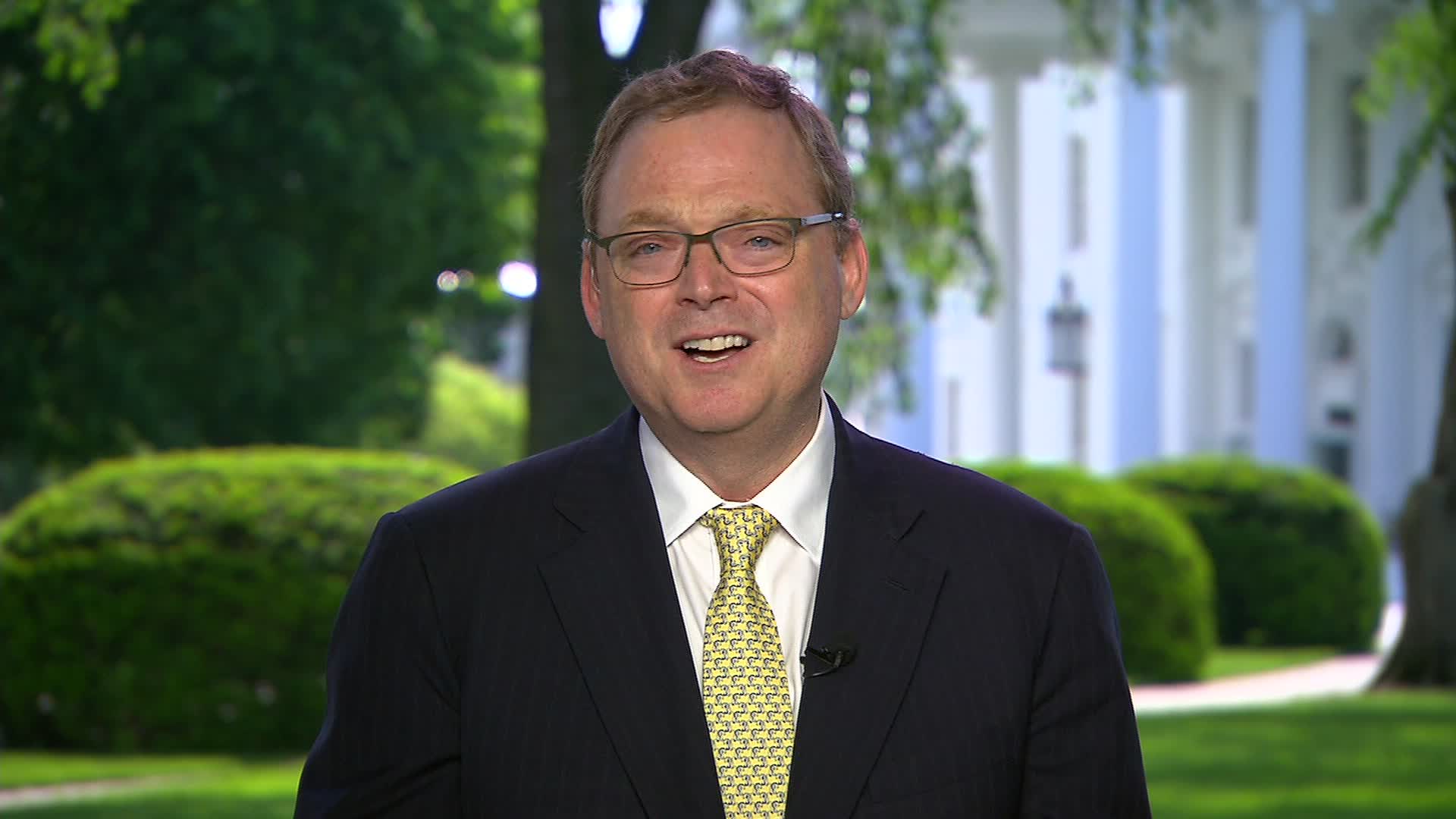
The issue came up Sunday on Face the Nation when host Margaret Brennan questioned White House chief economic adviser Kevin Hassett.
“Since, as far back as July, we have heard the president refer to this idea of $2,000 checks being given out to households,” Brennan said. She noted that the Treasury secretary had suggested the money would go to households earning under $100,000 and asked whether Americans should expect the checks in 2026.
Hassett said the timing would depend on Congress. “Congress is going to have to send those monies to those peoples,” he said.
Why It Matters
After announcing sweeping new tariffs on several major U.S. trade partners this year, Donald Trump promised to return some of the proceeds to Americans. While he has repeated the idea often, details about how the plan would work remain limited.
The lack of clarity has raised questions about whether the checks will ever materialize and how they would be funded.
What Trump Has Promised So Far
Trump’s public statements on the checks have varied over time.
In October, he said the payments would range from $1,000 to $2,000. In November, he went further, saying his administration would send $2,000 “tariff dividend” checks to Americans starting in mid-2026. That was the first time he gave a specific timeline.
What We Know About the Numbers
The Treasury Department says the federal government generated $195 billion in tariff-related revenue during the 2025 fiscal year.
Trump has not clearly defined who would qualify for the checks or how they would be distributed. He has said on social media that they would go to “everyone,” though other officials have suggested high-income earners would be excluded.
Economists are divided on the idea. Supporters argue the checks could help offset higher prices caused by tariffs. Critics warn the payments could add to inflation, an issue the Federal Reserve has been working to control.
There is also concern about cost. Analysts estimate the checks could require hundreds of billions of dollars, potentially more than the tariff revenue collected.
Hassett Points to Stronger Economy
During the interview, Hassett argued that recent economic performance could make the checks more feasible.
He pointed to nearly 4 percent economic growth over the past two quarters and said the government has run a surplus for several months. He also said the deficit is down $600 billion compared with last year.
“In the summer I wasn’t so sure there was space for a check like that,” Hassett said. “But now I am pretty sure there is.”
He added that he expects the president to present a formal proposal to Congress in the new year.
What Others Are Saying
Hassett said tariff revenue could help fund the checks but stressed that Congress controls spending. “This would have to be money that’s an appropriation,” he said.
In a November post on Truth Social, Trump said the U.S. is taking in “Trillions of Dollars” and promised a dividend of “at least $2000 a person,” excluding high-income individuals.
Erica York of the Tax Foundation questioned the math behind the proposal. She estimated that if adults earning under $100,000 qualify, the cost would be close to $300 billion. She noted that tariffs have raised far less than that so far and also reduce other tax revenues.
What Happens Next
Despite Trump’s promises, it remains unclear whether the $2,000 tariff checks will reach Americans next year. The proposal has drawn cautious reactions from economists and lawmakers in both parties.
Rep. Ryan Zinke, R-Montana, told Politico that the idea needs more detail. He pointed to the nation’s $36 to $37 trillion debt and said any new spending should be offset elsewhere.
For now, the future of the checks rests with Congress and whether the administration can turn repeated promises into a concrete plan.