Turning Point USA is no longer just an activist group trying to influence Republican politics from the outside. In Arizona, it is acting like a parallel party structure, openly challenging sitting Republicans, dismissing a Trump endorsement, and signaling that loyalty to its movement matters more than loyalty to the GOP itself.
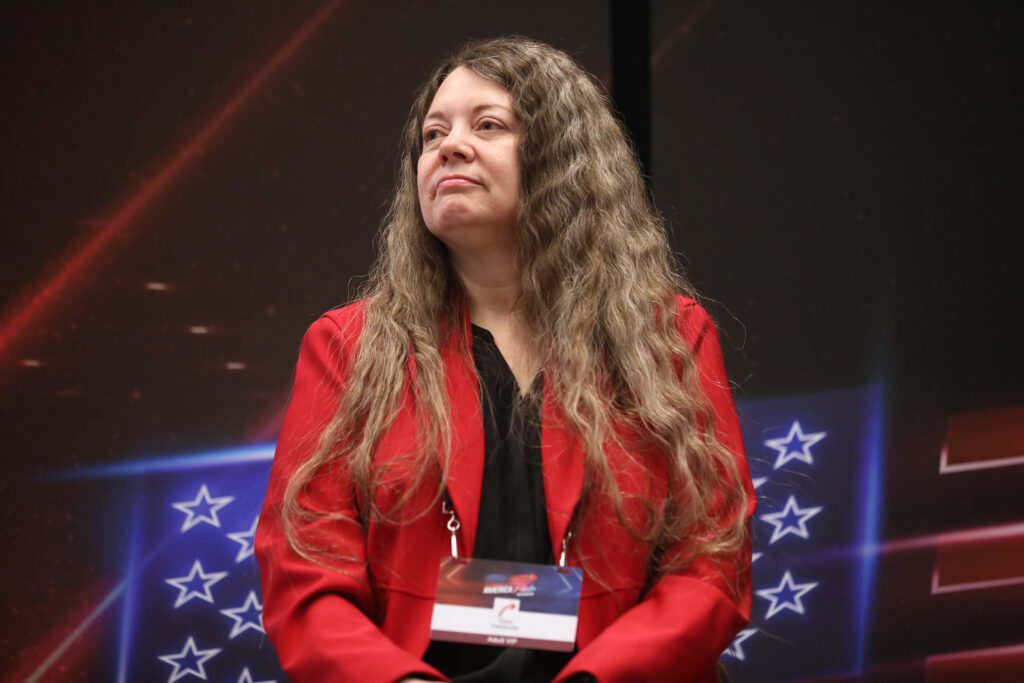
The latest battles unfolding in Arizona’s Republican primaries make that ambition clear. Turning Point USA is backing Rep. Andy Biggs for governor while actively working against other Republican candidates, including Karrin Taylor Robson and Rep. David Schweikert. At the same time, it is targeting Gina Swoboda, the current Arizona GOP chair, as she runs to replace Schweikert in the state’s 1st Congressional District.
What stands out is not just who Turning Point is supporting, but who it is willing to attack.
Swoboda has been endorsed by President Donald Trump. In today’s Republican Party, that endorsement is usually treated as political gold. Yet Turning Point USA has made it clear that Trump’s backing is not enough to earn its approval. In Arizona, at least, the group appears comfortable positioning itself above both the former president and the state party leadership.
That posture signals a deeper shift. Turning Point is no longer simply amplifying Trumpism. It is asserting its own authority over who qualifies as an acceptable Republican.
The tone of that assertion has been unusually aggressive. Tyler Bowyer, Turning Point’s chief operating officer, has publicly and repeatedly gone after Swoboda, calling her a “self-absorbed, bloviating, low-grade politician” and framing her as too liberal for Arizona Republicans. These attacks are not subtle disagreements over policy. They are personal, sustained, and designed to disqualify her from the party’s future.
Bowyer has framed his hostility in deeply personal terms, citing the lack of outreach from Swoboda and Schweikert after the killing of Turning Point founder Charlie Kirk. Whatever one thinks of that grievance, it underscores how much of Turning Point’s political decision-making now appears driven by loyalty tests and personal alliances rather than broad party consensus.
The message is clear: support Turning Point, or expect consequences.

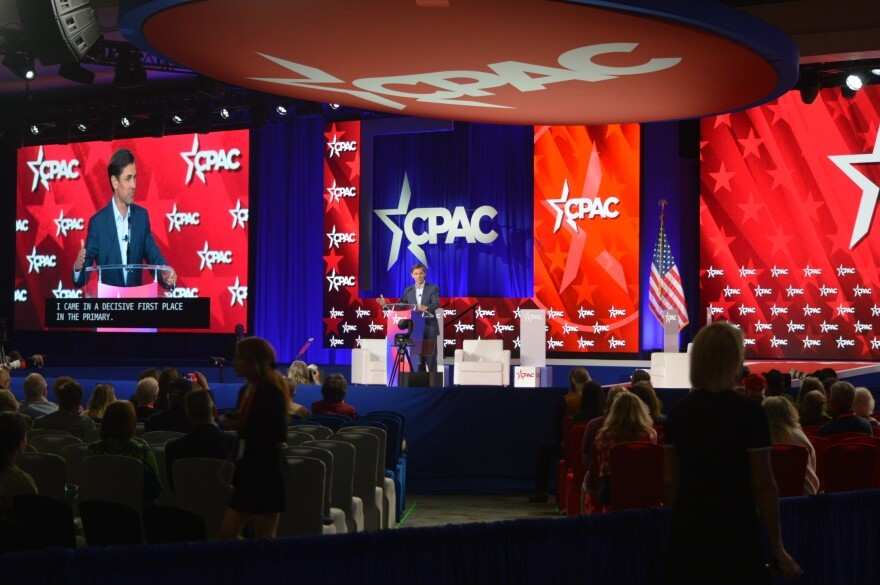
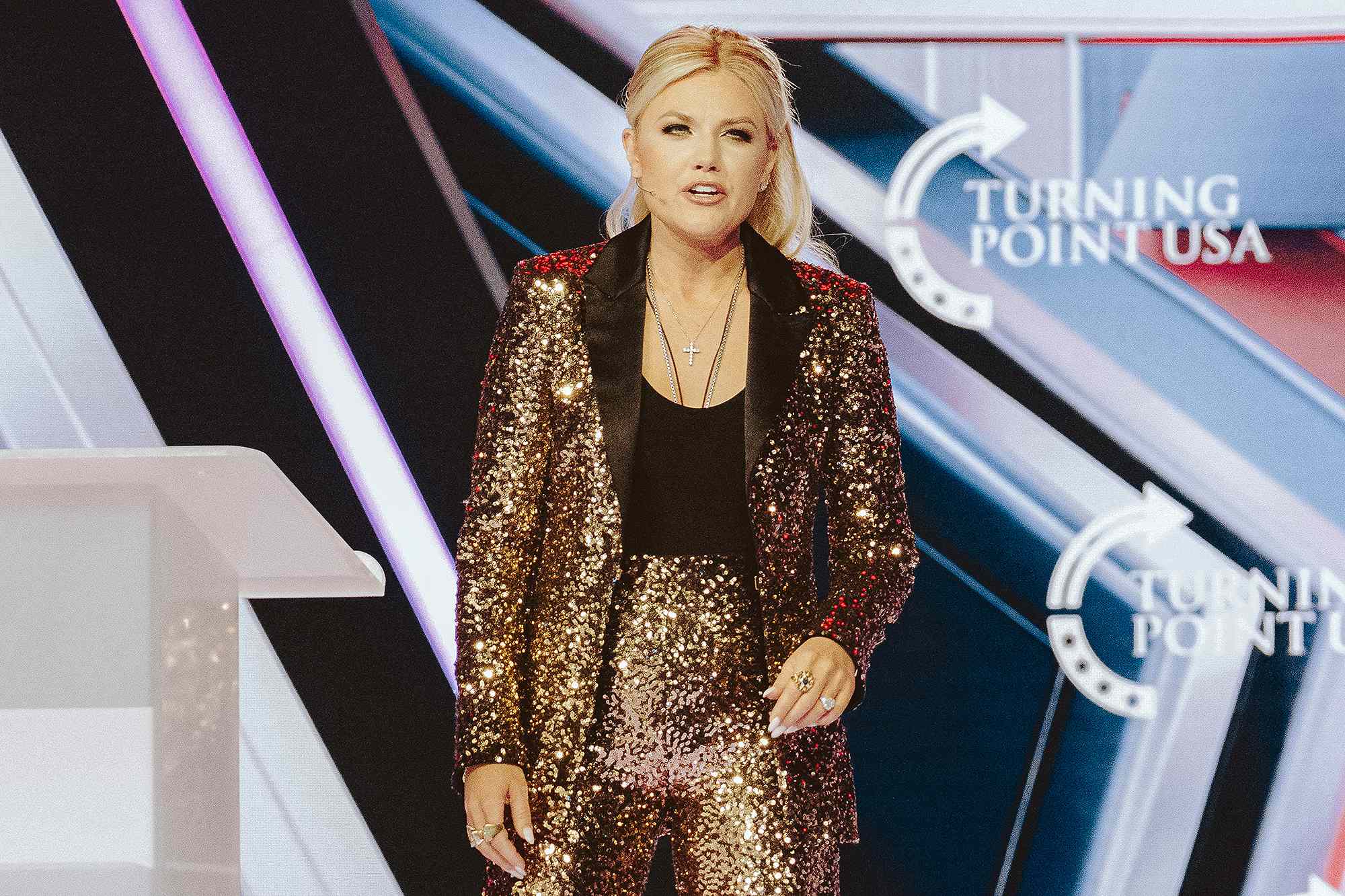
That message was reinforced at the group’s annual gathering in Phoenix, where CEO Erika Kirk mentioned only two political figures by name in her opening remarks: Vice President JD Vance and Andy Biggs. Her declaration, “Go Biggs or go home,” was not just an endorsement. It was a warning to Arizona Republicans that neutrality is no longer an option.
Biggs, for his part, has welcomed the backing. He openly acknowledged Turning Point’s “broad reach” and its ability to “turn things in a certain direction.” That assessment is widely shared within Arizona Republican circles. Turning Point is headquartered in Phoenix. Arizona is its home turf. It is where Charlie Kirk built the organization and where its infrastructure is strongest.
As one longtime GOP strategist put it, any Republican hoping to succeed in Arizona now has to “make their peace with Turning Point.” That kind of statement would have been unthinkable a decade ago. Today, it reflects a party increasingly shaped by outside organizations willing to enforce ideological discipline through primaries and personal attacks.
Still, the group’s actual electoral record complicates its kingmaker ambitions. While Turning Point is credited with helping Trump carry Arizona last fall, it has struggled to translate that energy into consistent down-ballot wins. Even allies of Swoboda and Schweikert argue that primary voters care more about electability and experience than about which activist group issues an endorsement.
The 1st Congressional District may be the clearest test of Turning Point’s limits. The district is wealthy, competitive, and politically distinct from much of the state. It has a history of a more traditional Republican conservatism, associated with figures like former Sen. John McCain, and it voted for Joe Biden in 2020.
Two challengers are vying for Turning Point’s endorsement there: state Rep. Joseph Chaplik and former NFL kicker Jay Feely, who recently switched districts. Turning Point’s decision could shape the race, but even its critics argue that its influence may not be decisive in a district that has resisted ideological hardening.
Swoboda’s supporters are betting on that resistance. They argue that her position as state GOP chair, combined with her grassroots support, gives her credibility that no outside group can erase. From that perspective, Turning Point’s attacks risk alienating voters who resent being told that their party now answers to an unelected activist organization.
Yet Turning Point has shown it can win smaller, targeted fights. Its role in the Mesa City Council recall election, where it helped unseat Julie Spilsbury after she endorsed Democratic candidates, demonstrated the group’s ability to mobilize volunteers, collect signatures, and punish Republicans who stray from its preferred line.
The organization is also preparing to weigh in on future contests, including the Salt River Project board elections, signaling an intent to influence not just partisan offices but the institutions that shape energy and climate policy in Arizona.
Taken together, these moves point to an organization that is no longer content to operate as part of the Republican coalition. Turning Point USA is acting as a gatekeeper, enforcing ideological purity and demanding loyalty even above that owed to Trump himself.
For Democrats and left-leaning observers, the situation presents a familiar pattern. A party already pulled toward its most extreme elements is now being pushed further by an organization that thrives on confrontation, loyalty tests, and internal purges. The result is not unity, but fragmentation, as Republicans are forced to choose between the party they once knew and the movement Turning Point wants to impose.
Whether Turning Point succeeds in its attempted takeover of the Arizona GOP remains uncertain. What is clear is that it is trying. And in doing so, it is exposing just how unstable and contested Republican power has become, even in a state it once considered safely its own.
Editor’s note: This opinion piece is based on reporting from POLITICO on Turning Point USA’s role in Arizona Republican primaries.