One of President Donald Trump’s top trade advisers has acknowledged that U.S. manufacturing has declined since the administration imposed tariffs, while insisting the policy needs more time to deliver results.
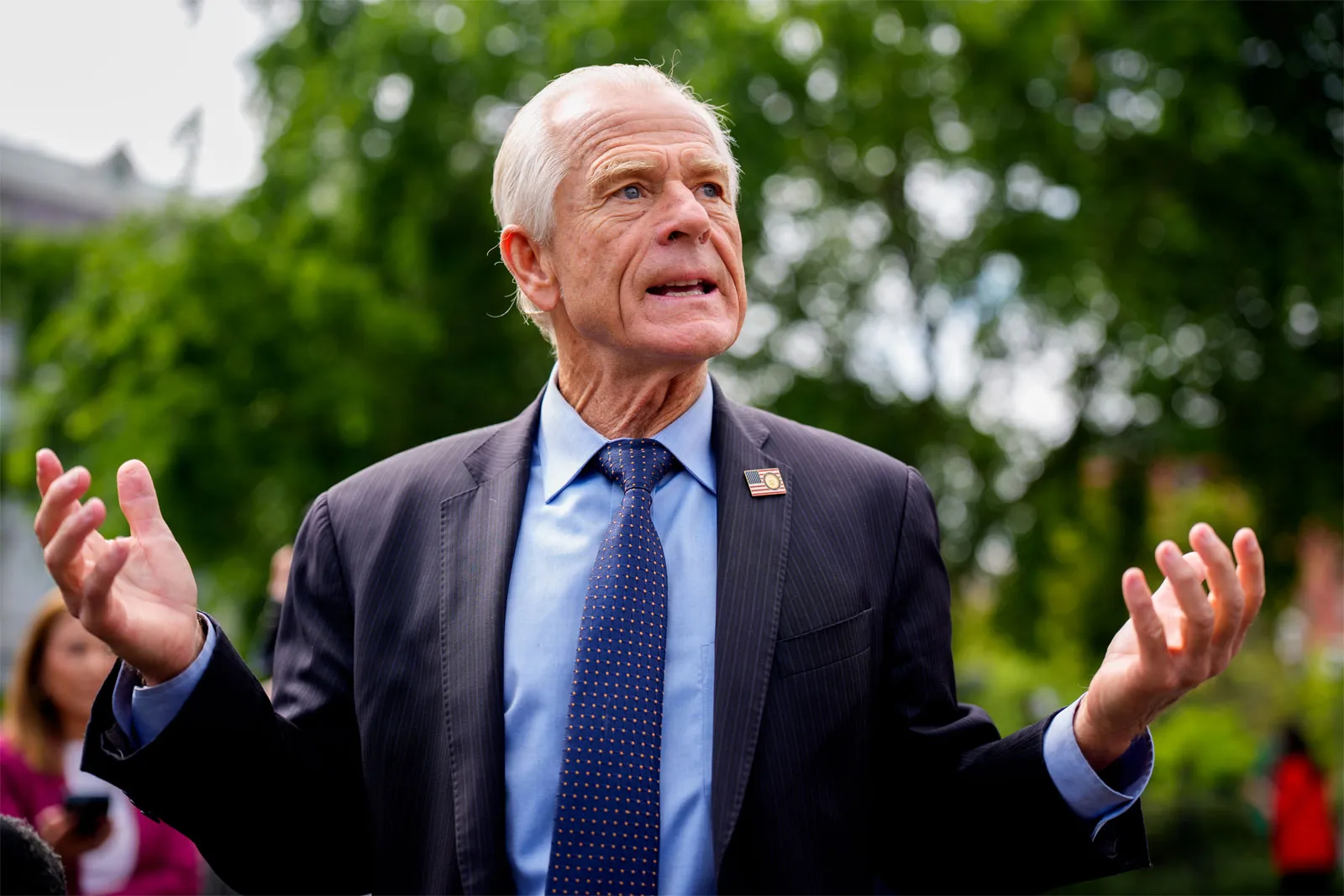
Peter Navarro, a senior trade adviser to Donald Trump, made the comments during an interview on CNBC on Tuesday.
Host Joe Kernen noted that manufacturing jobs have fallen since some of the tariffs took effect and asked whether Navarro believed the policy simply needed more time to work.
“That’s exactly right,” Navarro said, arguing that large economic shifts do not happen quickly.
Manufacturing Jobs Under Pressure
Navarro’s remarks came as the editorial board of the Wall Street Journal questioned why a manufacturing revival has not materialized.
During the 2024 campaign, Trump promised voters that a return to the White House would bring a boom in blue-collar jobs. Nearly a year later, that promise has yet to be fulfilled.
“The jobs market is so-so, but tariffs are hurting domestic companies that make things,” the Journal’s editorial said.
The paper also pointed out that companies are hiring fewer workers and that manufacturing employment has been declining since April.
“One big statistical reason to suspect that tariffs are hurting jobs is the trend in manufacturing,” the editorial stated. “Remember when tariffs were supposed to produce a U.S. manufacturing boom? It hasn’t happened.”
The editorial added that if Trump wants a manufacturing revival, he should remove tariffs and allow other tax policies to support hiring and investment.
Navarro Defends Long-Term Strategy
Navarro rejected the criticism, saying a manufacturing recovery depends on rebuilding supply chains that moved overseas over many years.
“You can’t just plop a factory town and not have your supply chains,” Navarro said. He argued that the U.S. will initially rely on foreign imports for factory inputs, but that domestic supply chains will eventually return.
When companies moved production offshore, Navarro said, supply chains followed. Reversing that trend, he argued, takes time.
“We can’t just assemble stuff here. That doesn’t work for national security reasons,” he said. “It’s just a matter of time.”
Strong Economic Growth Offers Contrast
Despite concerns about manufacturing and affordability, new data released Tuesday showed strong overall economic growth.
According to the U.S. Commerce Department, the economy grew at a 4.3 percent annual rate in the third quarter. That marked an acceleration from the previous quarter and the fastest growth in two years.
The increase was driven by solid consumer spending, particularly on services such as healthcare and recreational vehicles.
Trump Claims Credit for Economic Performance
On Truth Social, Trump praised the economic data and credited his policies, including tariffs, for the growth.
“Consumer spending is STRONG, Net Exports are WAY UP, Imports and Trade Deficits are WAY DOWN, and there is NO INFLATION!” Trump wrote.
However, the most recent inflation report showed prices rising at a 2.7 percent annual rate in November.
Trump also claimed that investment is reaching record levels because of his tax and trade policies, calling the current period a “Trump Economic Golden Age” and saying stronger results are still ahead.