
















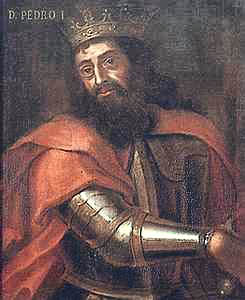

Some love stories are remembered because they are beautiful. Others are remembered because they are tragic. And then there are stories so strange that they feel almost impossible to believe.
The story of Dom Pedro I of Portugal and Inês de Castro belongs in that last category.
It has romance, royal politics, betrayal, murder, revenge, and one of the most unusual gestures in European history. Pedro loved Inês so deeply that even after she was killed, he insisted she should be recognized as Queen of Portugal.
She died in 1355.

He made her queen anyway.
A Royal Marriage With No Love
In 1340, Prince Pedro of Portugal was married to Constança Manuel, a noblewoman from Castile. The marriage was arranged for political reasons, which was common for royal families at the time.
Portugal was a small kingdom surrounded by powerful neighbors, and royal marriages were often used to build alliances. Pedro married Constança because it was expected of him.
But the woman he truly loved was not his wife.
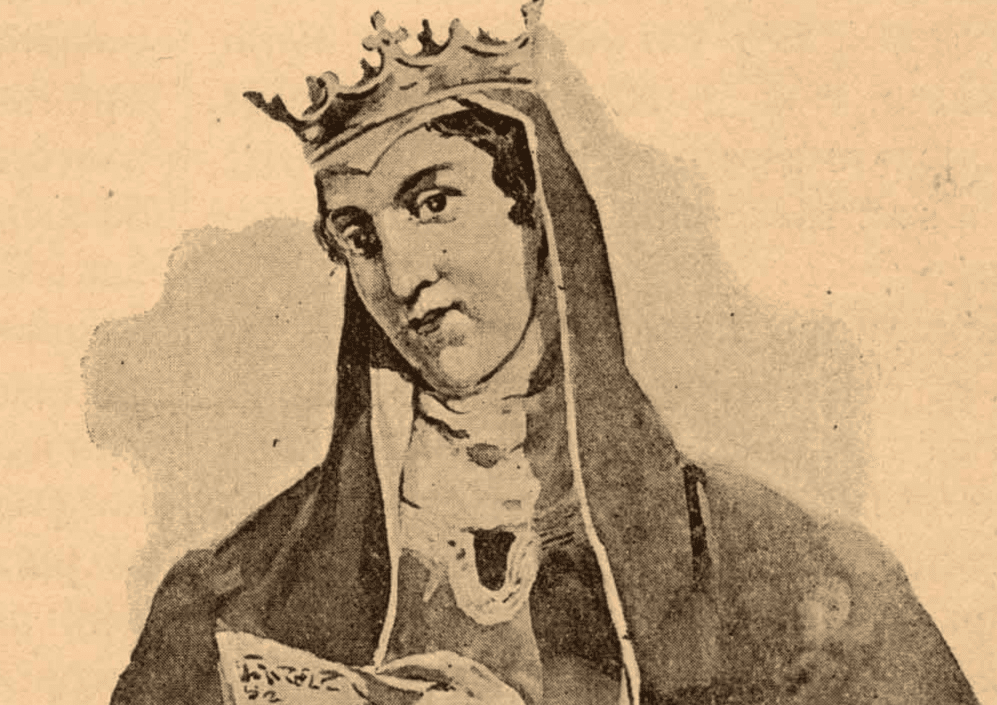
She was Inês de Castro, one of Constança’s ladies-in-waiting. Inês came from a noble Galician family and had arrived in Portugal as part of Constança’s household.
Pedro and Inês soon began a relationship. It was risky, inappropriate by court standards, and politically dangerous. Pedro was the heir to the Portuguese throne, while Inês was connected to powerful Castilian nobles.
Their relationship quickly became known at court.
Why The King Wanted Inês Gone
Pedro’s father, King Afonso IV, was deeply concerned by the relationship.
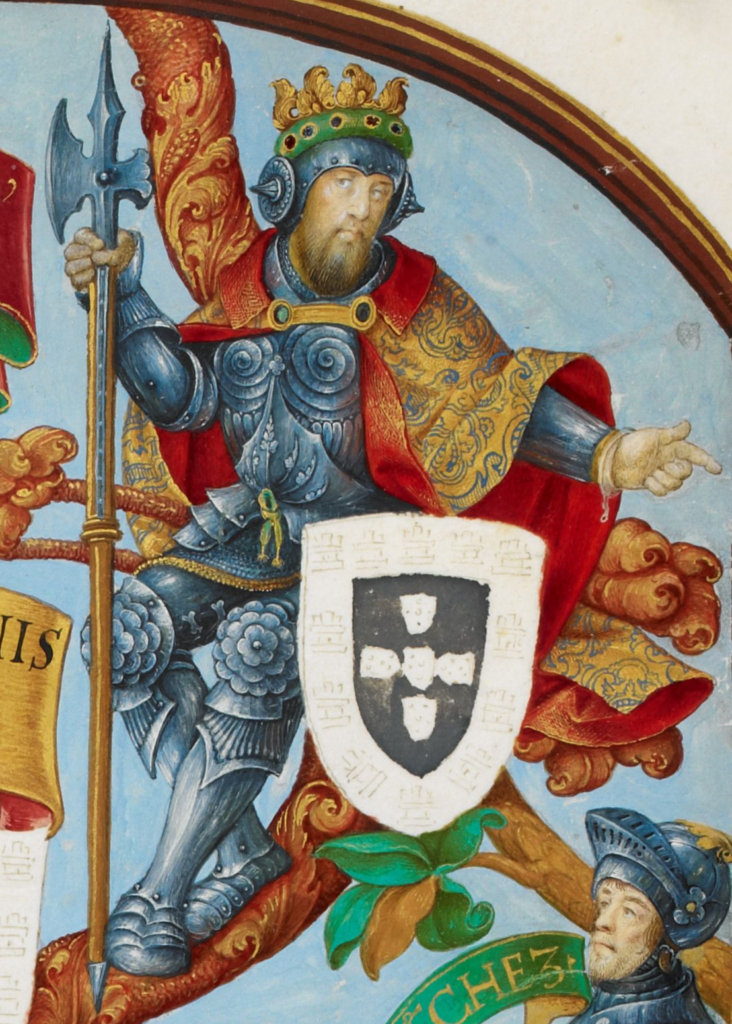
His problem was not only that Pedro was involved with another woman. The bigger issue was politics.
Inês’s family had strong ties to Castile. Her brothers became close to Pedro, and the Portuguese court feared that Castilian influence could grow once Pedro became king.
There was another concern too.
Pedro and Inês had children together. Some nobles worried that Pedro might one day try to make those children legitimate heirs. If that happened, it could threaten the position of Pedro’s legitimate son, Fernando, who was born from his marriage to Constança.
To Pedro, Inês was the woman he loved.
To the king and his advisers, she was a threat to the future of Portugal.
The Murder Of Inês De Castro
In 1345, Constança died in childbirth. After her death, Pedro brought Inês back into his life openly. They lived together and had children.
King Afonso IV tried to separate them, but Pedro refused to give her up.
Eventually, the king decided to act.
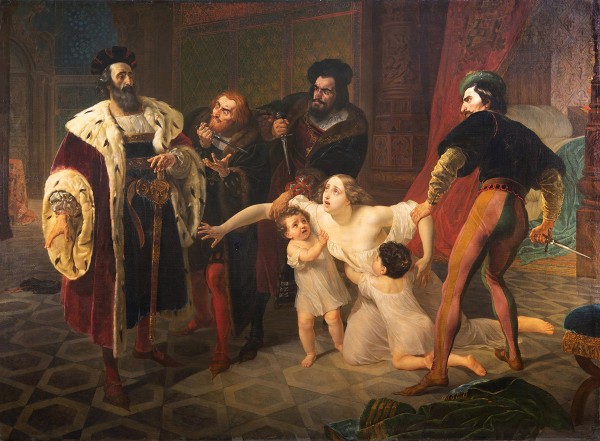
On January 7, 1355, while Pedro was away hunting, Afonso IV and his men went to the Convent of Santa Clara in Coimbra, where Inês was staying.
Inês was killed on the king’s orders.
She was only 29 years old.
When Pedro returned and found out what had happened, he was devastated. His grief quickly turned into anger.
Pedro’s Revenge
Pedro rebelled against his father after Inês’s death, causing conflict within Portugal. A fragile peace was eventually arranged, partly through the efforts of his mother, Queen Beatriz.
But Pedro did not forget.
When King Afonso IV died in 1357, Pedro became King of Portugal. Once he had the crown, he went after the men involved in Inês’s murder.
Two of the assassins were captured and brought to Portugal. Pedro had them executed in a brutal way, which helped earn him the nickname O Cruel, meaning The Cruel.
But he was also known as O Justiceiro, meaning The Just.
That contrast says a lot about how people remembered him. Some saw him as violent and merciless. Others saw him as a king who punished those responsible for a terrible injustice.
The Dead Queen Of Portugal
After taking revenge, Pedro made a remarkable claim.
He announced that he and Inês had secretly married before her death. If that was true, then Inês had not simply been his lover. She had been his lawful wife.
And if she had been his wife, then she had been Queen of Portugal.
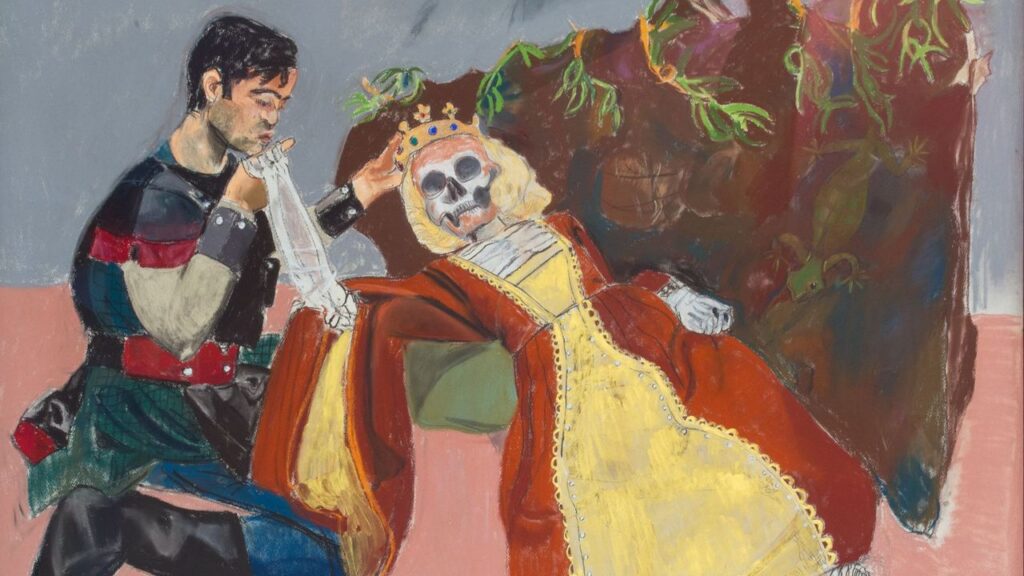
Pedro demanded that she be recognized as queen, even though she was already dead.
This is where the story becomes legendary.
According to the most famous version, Pedro had Inês’s body exhumed, dressed in royal robes, crowned, and seated on the throne. The nobles of Portugal were then supposedly ordered to bow before her and kiss her hand.
Historians still debate whether this scene happened exactly as later accounts describe. The earliest detailed versions appeared much later, so it may have become more dramatic over time.
But the core of the story is true: Pedro declared Inês his queen after her death and made sure she received royal recognition.
A Funeral Fit For A Queen
Pedro arranged for Inês to be moved to the Monastery of Alcobaça, one of the most important royal burial sites in Portugal.
Her funeral procession became famous. Her body was carried from Coimbra to Alcobaça with great ceremony, and people lined the route to pay their respects.
In life, Inês had been treated as a political problem.
In death, Pedro made the kingdom honor her as royalty.
It was a powerful message. The court may have rejected her while she lived, but Pedro would not allow history to remember her as only a mistress.
The Tombs That Face Each Other
Pedro later commissioned two tombs at Alcobaça: one for Inês and one for himself.
The most touching detail is how they were placed.
The tombs were not set side by side. They were placed facing each other across the church.
The reason was religious and symbolic. In medieval Christian belief, the dead would rise from their graves on Judgment Day. Pedro wanted the first thing he and Inês saw when they rose again to be each other.
Pedro died in 1367 and was buried as planned.
Today, both tombs still remain at the Monastery of Alcobaça.
Why This Story Is Still Remembered
The story of Pedro and Inês has been told in Portugal for centuries. It has appeared in poems, plays, operas, films, and legends.
People still visit places connected to them, including Quinta das Lágrimas in Coimbra, often translated as the Garden of Tears. According to tradition, it was one of the places associated with their love story and Inês’s death.
Their story remains powerful because it is not just about romance.
It is about love caught inside royal politics. It is about a woman who became dangerous because of who loved her. It is about a prince who became king and refused to let her be forgotten.
Pedro could not save Inês while she was alive.
So after her death, he gave her the one thing no one could take from her anymore.
A crown.