Recently disclosed documents have unveiled details of a peace proposal presented by Russian authorities to Ukrainian representatives during early negotiations in the ongoing conflict.
The proposal, which has raised questions about Russia’s genuine commitment to peaceful resolution, contains provisions that critics argue would have severely compromised Ukraine’s sovereignty and security.
Document Origins and Context
The treaty documents were obtained and published by Systema, a subsidiary of Radio Free Europe/Radio Liberty, a U.S. government-funded media organization that provides news coverage to Eastern Europe, Central Asia, and the Middle East.
According to reporting by HuffPost, the agreement was formally presented during the third round of negotiations between Russian and Ukrainian representatives on March 7, 2022, in Belavezha, Belarus. Eleven days after Russia’s military invasion of Ukraine began.
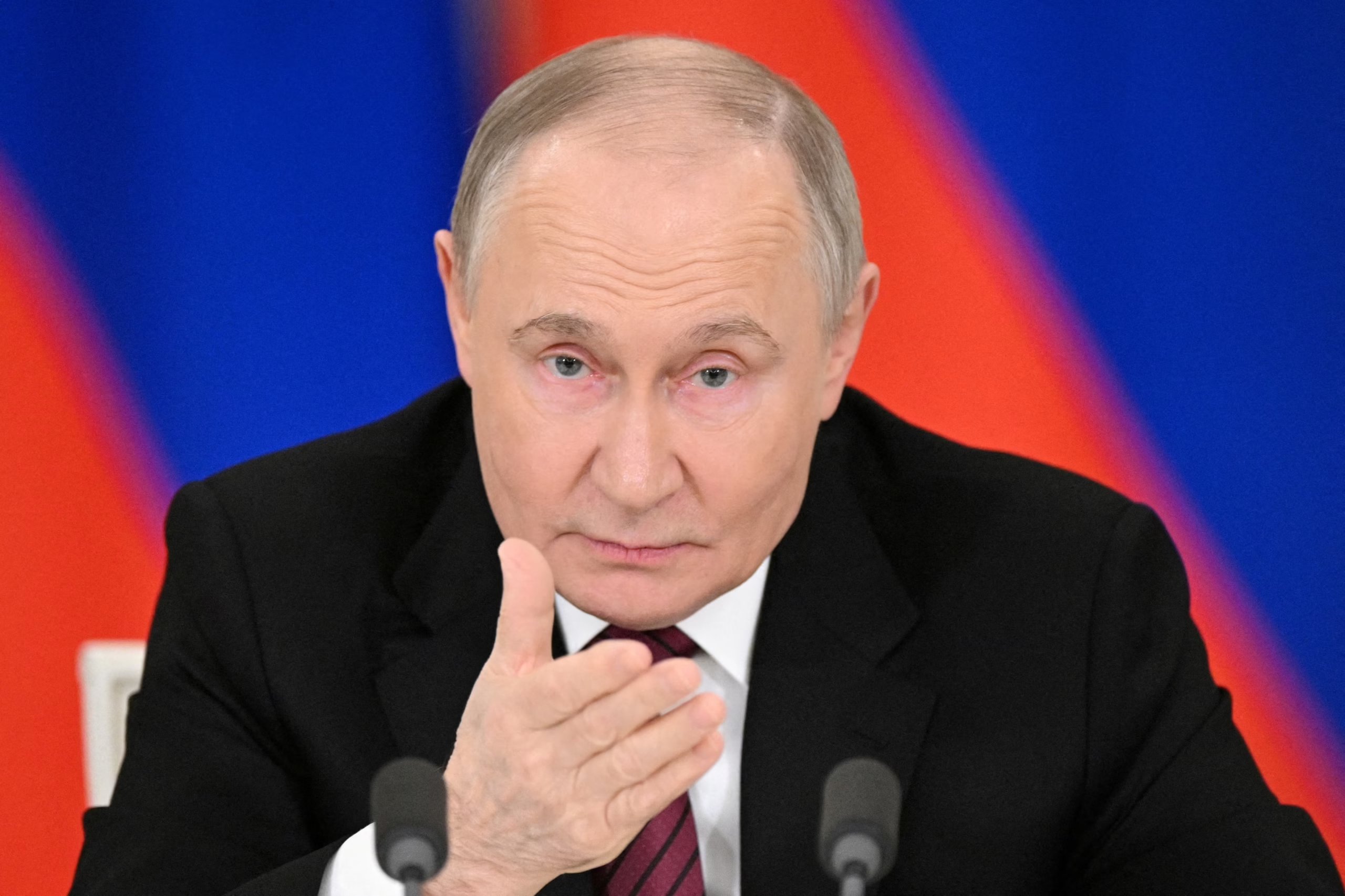
Russian President Vladimir Putin has frequently referenced Ukraine’s rejection of this proposal as evidence of Russia’s diplomatic efforts to achieve peace through negotiation rather than military action.
Analysis of Proposed Terms
Writing for the Atlantic Council, Peter Dickinson, editor of Ukraine Alert, characterized the leaked document as a “blueprint for the destruction of Ukraine.”
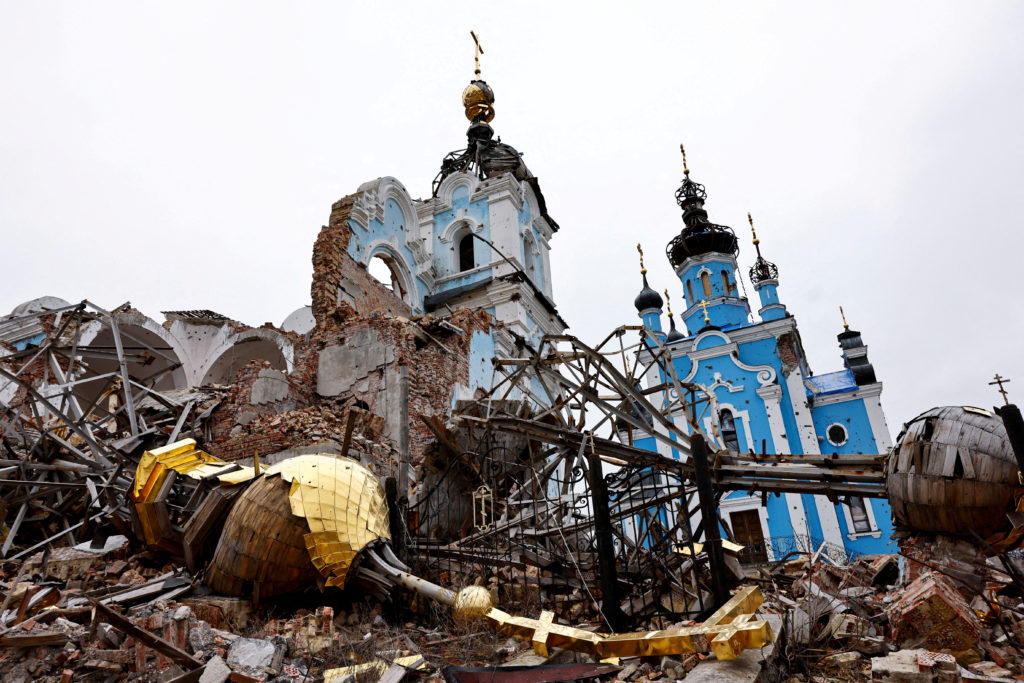
His analysis suggests the proposed terms would have left Ukraine “partitioned, disarmed, internationally isolated, and utterly unable to defend itself against further Russian aggression.”
Military Restrictions
The proposal contained extensive limitations on Ukraine’s military capabilities and foreign military presence. The document would have prohibited foreign armed forces, military personnel, or formations from entering or being deployed on Ukrainian territory in any capacity, including temporary deployments.
It also included a ban on the establishment or maintenance of foreign military bases, warehouses, strongholds, or other military facilities within Ukraine. Perhaps most significantly, the proposal required Ukraine to reduce its military to just 50,000 active personnel with only 1,500 officers—a dramatic reduction from the approximately 900,000 active soldiers currently serving, according to Statista.
Territorial Concessions
The territorial provisions of the proposal would have required Ukraine to officially recognize the self-proclaimed People’s Republics of Donetsk and Luhansk, including areas then under Ukrainian government control.
Additionally, Ukraine would have been required to accept responsibility for financing the reconstruction of infrastructure in the Donbas region damaged since 2014.
Economic and Political Conditions
Beyond military and territorial demands, the proposal included several political and economic stipulations that would have fundamentally altered Ukraine’s domestic and international relationships.
The document called for the termination of sanctions against Russian companies and individuals imposed by Ukraine and its allies since 2014.
It also demanded the establishment of Russian as an official language within Ukraine and the return of Ukrainian Orthodox Church properties to the Moscow Patriarchate.
Furthermore, the proposal required Ukraine to restore Soviet and communist symbols related to World War II victory celebrations.
Implications
The leaked document provides insight into Russia’s negotiating position during the early stages of the conflict and raises questions about the feasibility of diplomatic solutions given the scope of the proposed restrictions on Ukrainian sovereignty and military capabilities.
The revelation of these terms has contributed to ongoing debates about the nature of Russia’s objectives in Ukraine and the prospects for future diplomatic engagement between the two nations.