








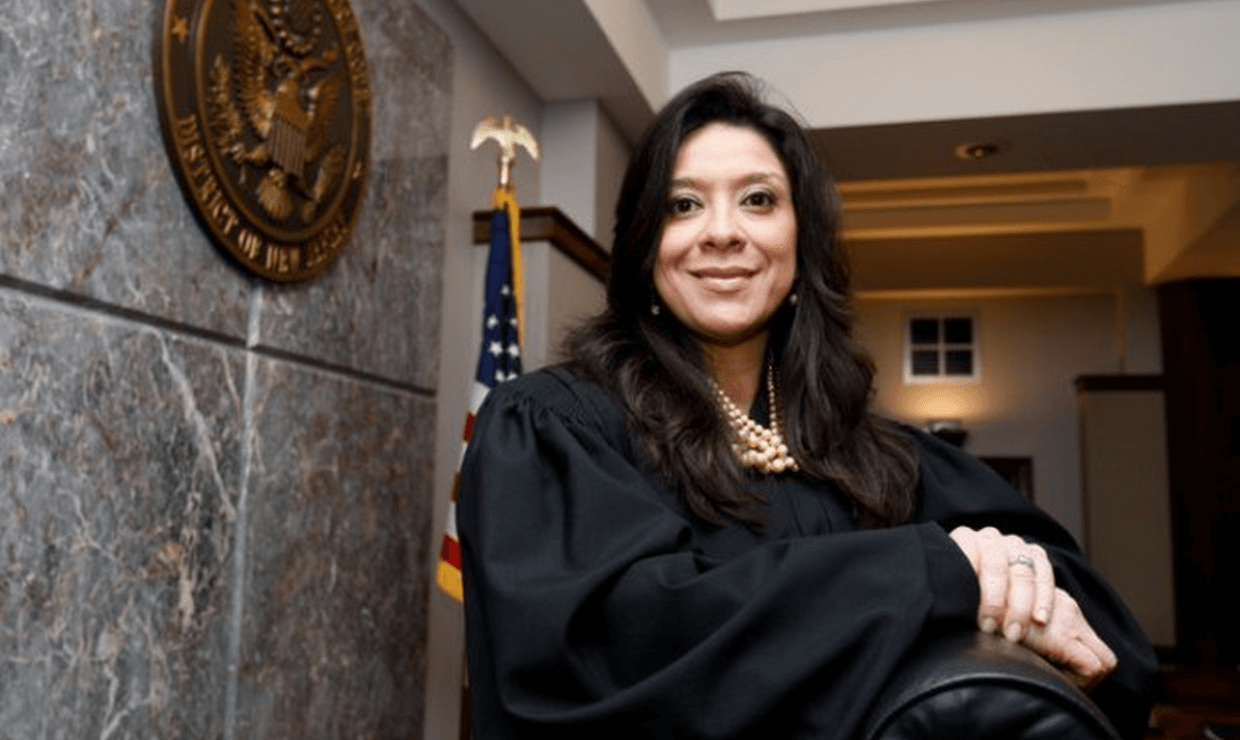

After years of absorbing attacks largely without comment, federal judges across the country are stepping into the public arena to warn about what they say is a growing threat to judicial independence.
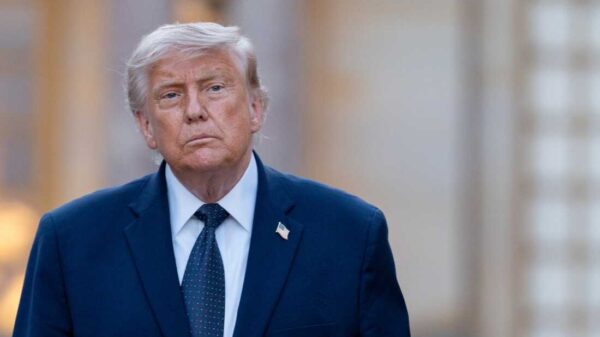
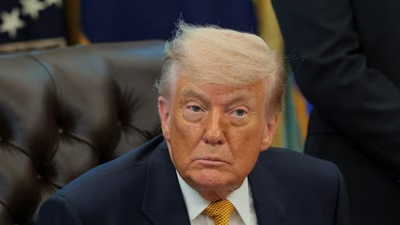
The shift follows a noticeable escalation in threats against judges since the 2020 election, when former President Donald Trump filed more than 60 lawsuits to contest his loss.
Courts rejected all of them, and Trump responded by targeting individual judges by name, a pattern that critics say has encouraged supporters to expose judges’ home addresses and family details online.
The U.S. Judicial Conference recently clarified in an advisory opinion that judges are permitted to speak out beyond their written rulings.
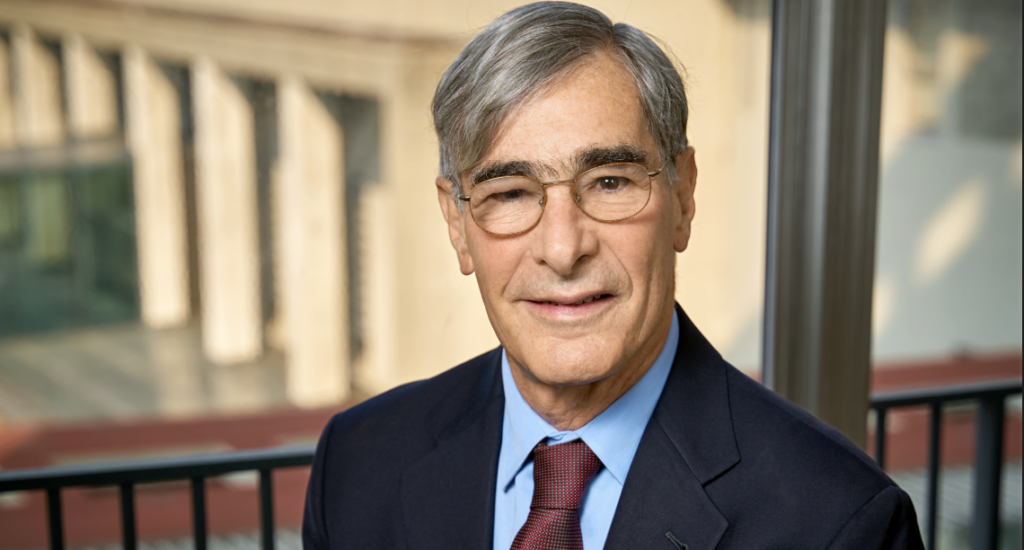
Jeremy Fogel, executive director of the Berkeley Judicial Institute, argued last year that the public remains largely unaware of the scale of threats being made against judges.
He warned against dismissing the trend as background noise from a polarized society, saying the real danger is that threats could begin to influence how judges rule, with the safety of their families quietly factoring into their legal reasoning.
A forum organized by Speak Up for Justice put four judges on the record.
“Serious threats” against judges have doubled since 2020.
“Judges are traditionally cautious about speaking publicly,” said U.S. District Court Judge Beth Bloom of the Southern District of Florida.
“But this moment makes a strong case for why engagement is not only appropriate, but is necessary.”
Judge Esther Salas was targeted at her home by an armed “men’s rights” activist.
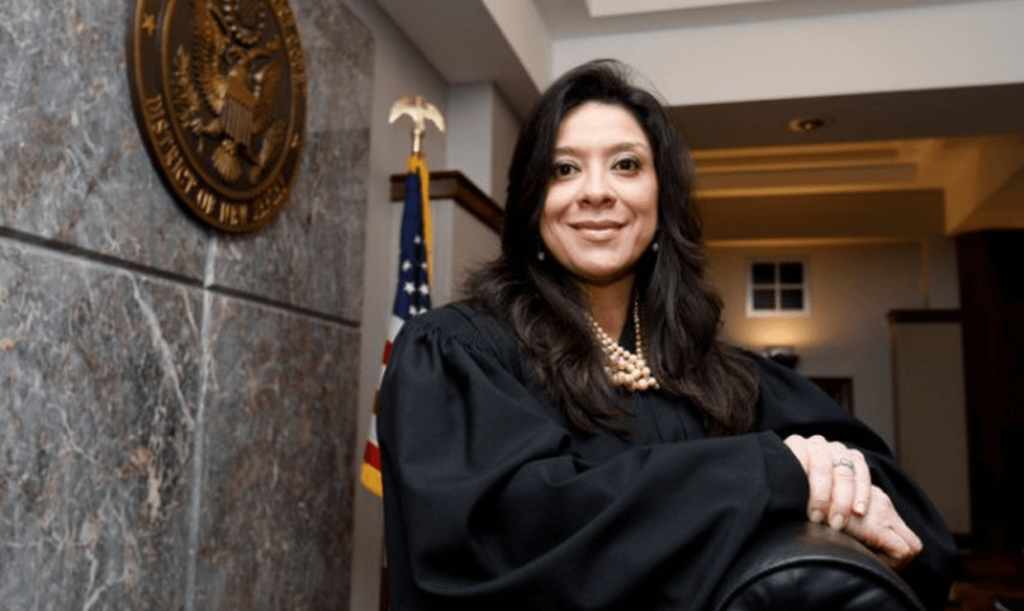
Her son stepped in front of her when the man opened fire and was killed.
Since then, someone has been ordering pizzas to judges’ homes using her son’s name, a tactic widely understood as a message that the sender knows where the judge lives and that a similar attack is possible.
Judge Anna Reyes said the threat landscape has become routine.
“It’s a matter of course now that when you issue an opinion that some people don’t like, you’re going to get threats and you’re going to get death threats,” she said.
Judge Michelle Williams Court described receiving a threat from someone who said they knew where her children went to school.
She alerted the school and local law enforcement, and one morning looked out her window to find four sheriff’s vehicles parked in her driveway with four people in handcuffs.
She said the hostility is often not tied to any specific ruling but stems from general political opposition.
“Well this person was appointed by this person or that person, and I don’t like that decision, so I’m going to do X,” she explained, describing the reasoning she encounters.
“That’s a very dangerous place to be because it’s very unpredictable.”
Last month she read some of the death threats she had received aloud in open court.
One message said: “The best way you could help America is to eat a bullet.”
When the Supreme Court recently blocked some of Trump’s tariffs, Trump publicly attacked Justices Amy Coney Barrett and Neil Gorsuch, calling them “a disgrace to our nation” and “an embarrassment to their families” and claiming without evidence that they had been influenced by foreign interests.
Chief Justice John Roberts addressed the climate this week while speaking at Rice University.
“The problem sometimes is that the criticism can move from a focus on legal analysis to personalities,” Roberts said.
“Personally directed hostility is dangerous, and it’s got to stop.”
The pressure on judges is not limited to Trump alone.
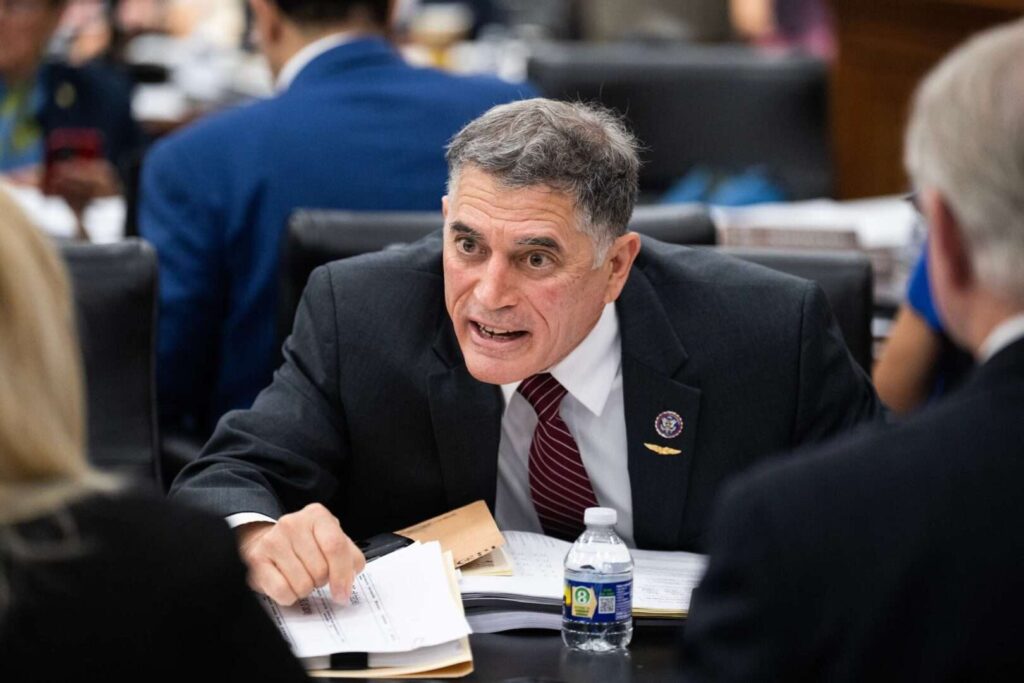
Rep. Andrew Clyde of Georgia announced a task force aimed at “exposing judicial activism” with the stated goal of impeaching what he called “rogue, activist judges.”
Fogel, writing in his column, framed the larger stakes plainly.
“The view of a judge as someone who avoids trouble by following faithfully the direction of those in power is a hallmark of an authoritarian society, not a democratic one,” he wrote.
Based on reporting by The Christian Science Monitor.