



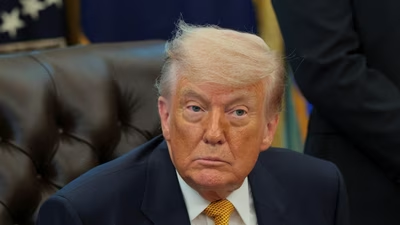

Donald Trump built his 2024 coalition partly on a promise that resonated with young men tired of endless foreign wars: America First, not America Everywhere.
One month into the U.S. military campaign against Iran, that promise is becoming a liability.
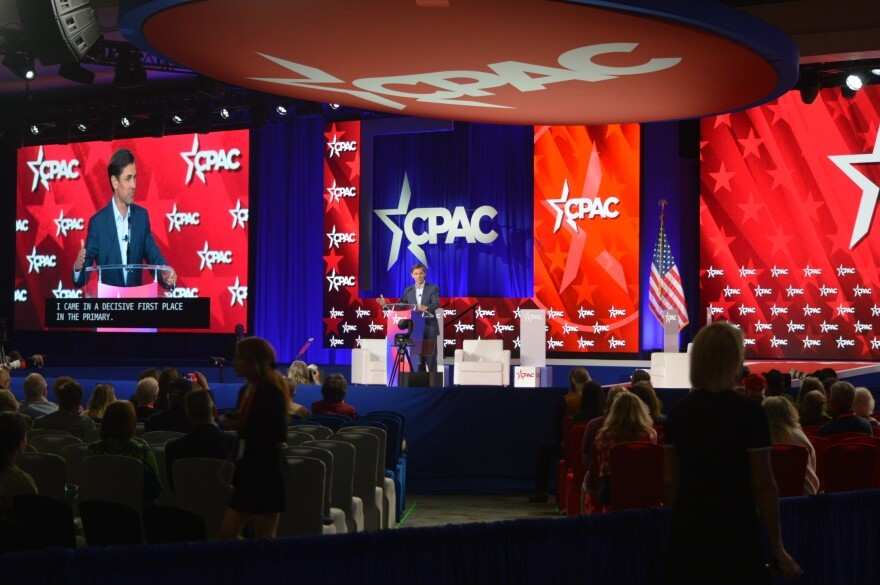
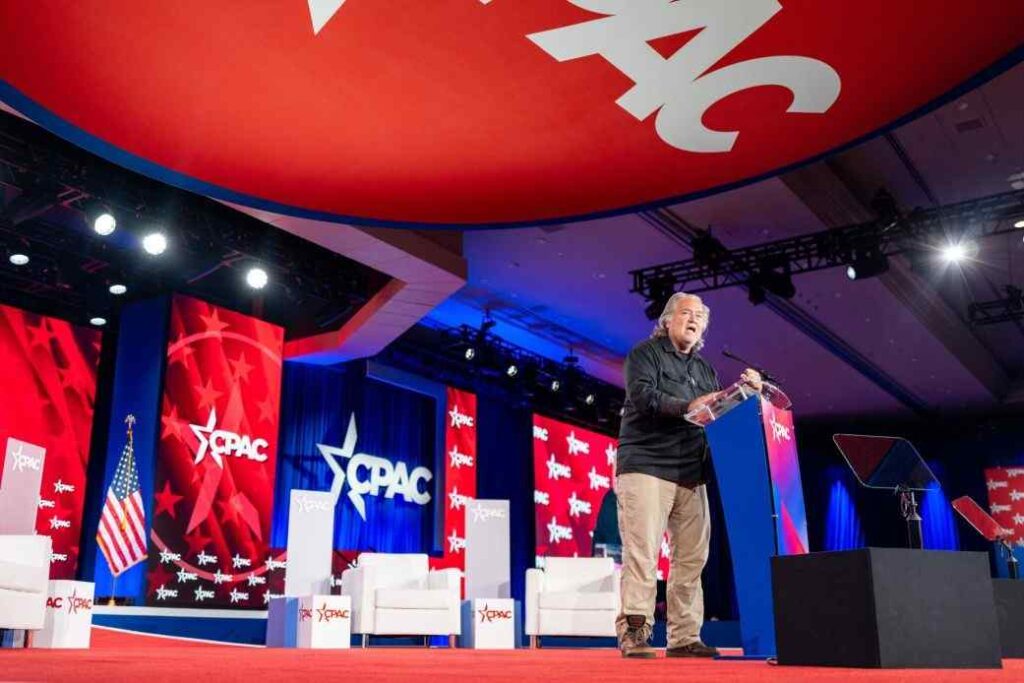
A Politico report out of the Conservative Political Action Conference in Grapevine, Texas this week documented what party leaders are quietly dreading: a growing generational split inside the MAGA movement over the Iran war, and signs it could get worse before November.
The numbers tell the story clearly.
A Politico poll found that among MAGA-identifying men over 35, more than 70 percent believe Trump has a coherent plan for the war.
Among MAGA men under 35, that trust collapses to 49 percent.
The gap widens further on casualties: 66 percent of older MAGA men said they would accept American deaths to achieve U.S. objectives in Iran, while fewer than half of younger MAGA men said the same.
Younger respondents were also significantly less likely to describe the conflict as consistent with MAGA values or the American national interest.
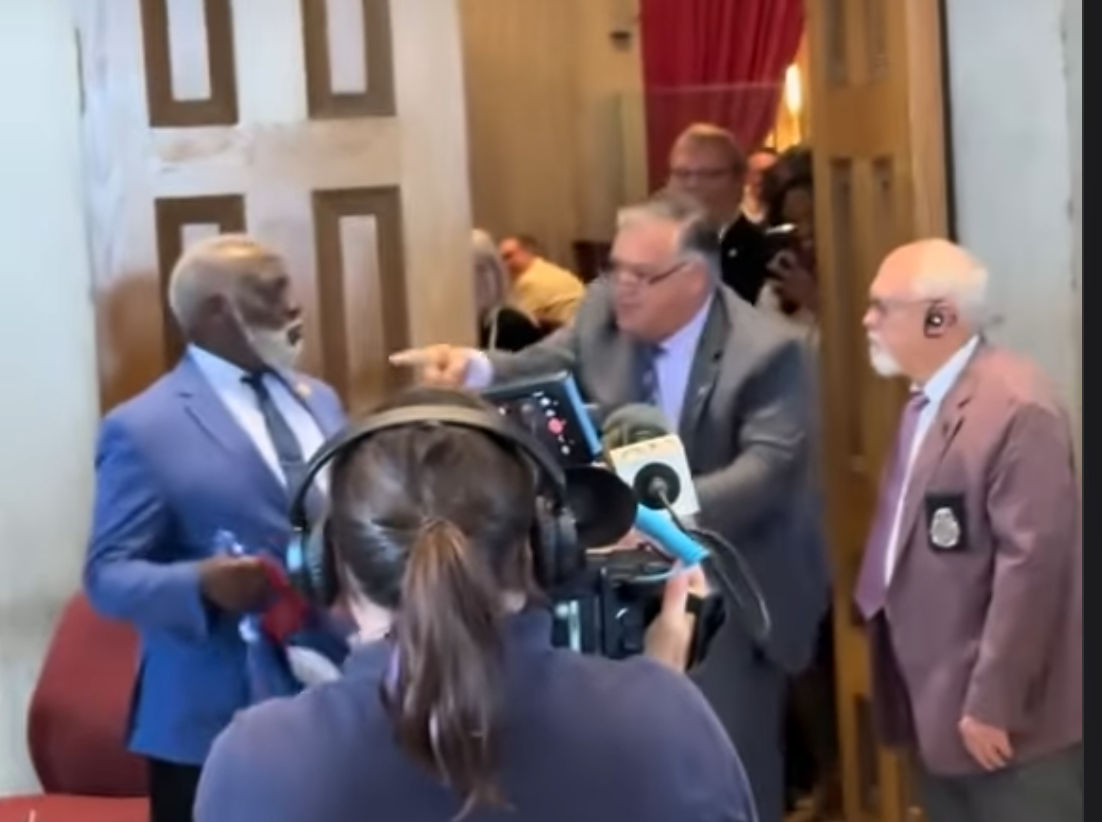
On the ground at CPAC, the divide was impossible to miss.
Some attendees walked the conference floor carrying Iranian flags in a show of support for the mission, while others wore “America First” hats, the very slogan Trump used to sell voters on his anti-interventionist brand.
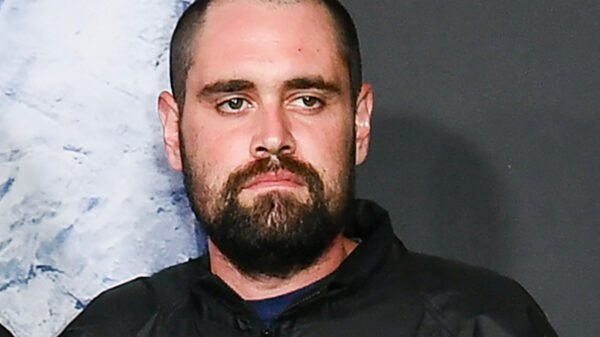
Joseph Bolick, a 30-year-old Iraq and Afghanistan veteran who voted for Trump in 2024, told Politico he feels betrayed.
“He’s lied about everything,” Bolick said. “If you go into a war where there’s no end game, how is it going to end? There’s no clear objective.”
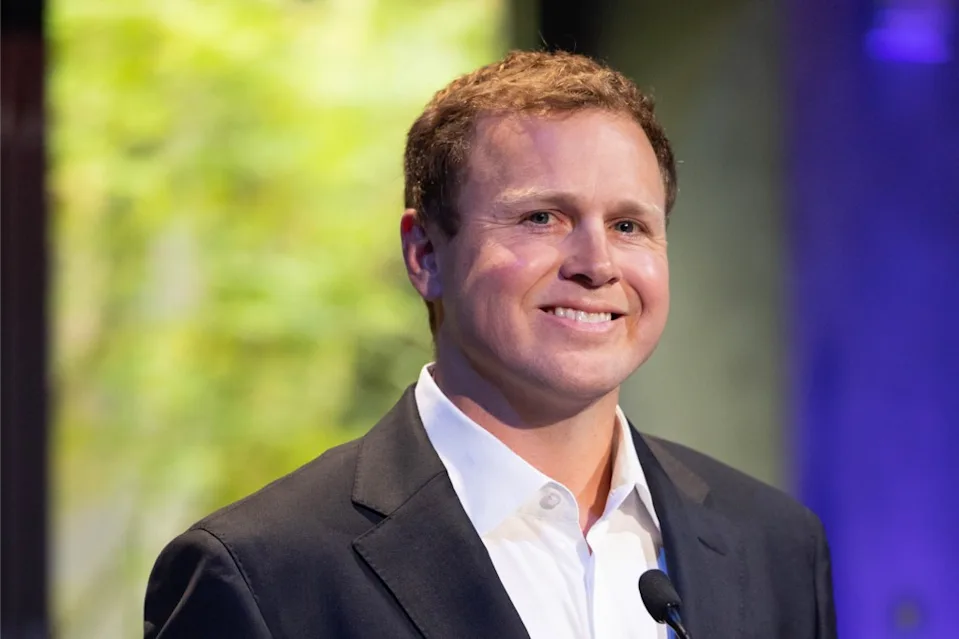
Andrew Belcher, 21, who leads the Ohio College Republicans, framed the stakes in blunt electoral terms.
“Trump and Republicans in general are going to have major issues in the midterms, in 2028, if we can’t wrap this up in a relatively quick amount of time,” Belcher told Politico, adding that Trump is performing “relatively poorly” with hyper-online young men who follow Tucker Carlson and other anti-interventionist voices.
Those voices carry real weight.
Carlson and Megyn Kelly have both come out against the war, and Joe Rogan, who commands enormous influence with young male audiences, has pushed back on the military campaign as well.
The resistance goes beyond media figures.
According to a person familiar with White House internal dynamics who spoke to Politico anonymously, younger and more right-wing White House staffers are deeply frustrated with how the war has been handled.
“They didn’t love the war to start with, and since it began, the constantly contradictory messaging from the president himself, is just brutal, brutal for staff to deal with,” the source said.
The White House disputed the framing.
Spokesperson Davis Ingle said Trump is “doing exactly what a Commander-in-Chief should do,” pointing to what the administration is calling “Operation Epic Fury” as evidence of decisive leadership.
Onstage at CPAC, the party’s older guard pushed back hard against the dissenters.
Conservative commentator Josh Hammer called Carlson and Kelly “doomsayers” from the main stage, and other speakers took indirect shots at online influencers opposing the war effort.
Lawrence Ligas, a 63-year-old Chicago conservative who received a Trump pardon for his involvement in the January 6 insurrection, suggested the opposition among young men comes down to one fear: “They’re concerned about being drafted.”
Former Florida congressman Matt Gaetz struck a more cautious tone, defending the right to dissent while flagging a specific risk.
“A ground invasion of Iran will make our country poorer and less safe,” Gaetz said. “It will mean higher gas prices, higher food prices. And I’m not sure if we would end up killing more terrorists than we would create.”
The economy is already a friction point.
Multiple young attendees interviewed by Politico cited rising gas and fuel prices tied to the conflict as a source of pessimism about the future.
“A lot of the young generation feels that there’s just not a lot of hope for the economy,” one 30-year-old attendee said anonymously.
CPAC leadership spent considerable time urging unity.
Former RNC chair Michael Whatley told attendees the party needs every voter it can hold onto heading into November’s midterms, and CPAC Foundation senior fellow Mercedes Schlapp opened Thursday’s session with a direct warning: “We cannot divide from within.”
That appeal reflects the math Republicans are facing.
The gains the party made with young men in 2024 are not guaranteed to hold, and losing even a portion of that bloc to apathy or active opposition could flip the House back to Democrats in a cycle where the map already favors the minority party.
For now, the “America First” hats and the Iranian flags are sharing the same conference floor.
How long that uneasy coexistence holds may determine who controls Congress next year.
Based on reporting by Politico

Mlchael
March 29, 2026 at 8:52 pm
What goes around comes around. I’m an independent. Gentleman with all due respect. Trump is worse than a wet dream. He lied from the very beginning. He has turned his attention to his own personal interests. Not Our country that shows with the economy.